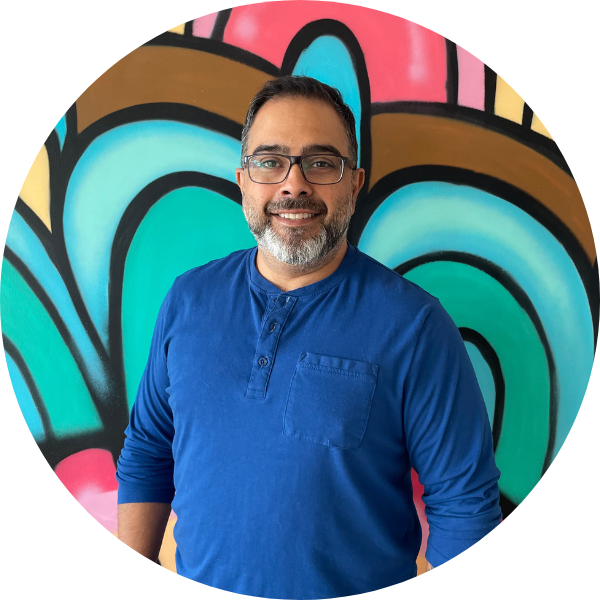
With over eight years of clinical experience, Chris is passionate about helping people move better, recover from injury, and return to doing what they love. He provides personalized osteopathic care for clients of all ages, combining evidence-informed treatment with a compassionate, whole-body approach.
Chris has a special interest in treating sports injuries, frozen shoulder, neck and back pain, and complex musculoskeletal conditions. He believes in identifying and treating the root cause of pain—not just the symptoms—to restore balance, improve function, and support long-term health.
Committed to lifelong learning, Chris has completed extensive postgraduate training in Sports Osteopathy, Craniosacral Therapy, Pediatric Osteopathy, Nutrition Science, and advanced manual therapy techniques. He holds a Master’s Degree in Sports Osteopathy and completed a training placement with the Montreal Alouettes, giving him valuable experience working with high-performance athletes. His continuing education includes studies through Stanford University, the Upledger Institute, EPOQ, and the C.L.M. Chris Leong Method.
Whether you’re recovering from an injury, managing chronic pain, improving athletic performance, or simply looking to move with greater ease, Chris takes the time to understand your goals and create a treatment plan tailored to your individual needs.
His goal is simple: to help you move freely, feel stronger, and enjoy life with less pain—so you can get back to doing what you love.